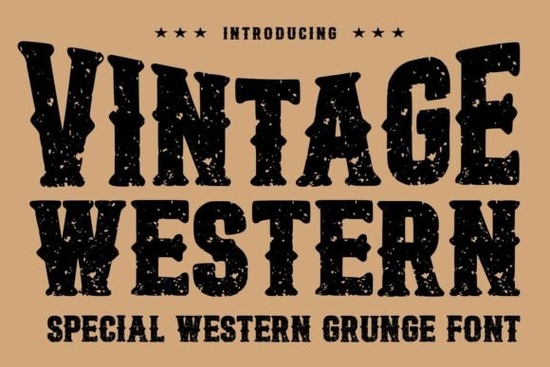
If you are looking for a typeface that instantly brings that rough, old-west feel to your layouts, the Vintage Western Font delivers exactly what you need without trying too hard. It pairs heavy slab letterforms with a subtle distressed finish, which gives every word a weathered, hand-pressed look. This approach works especially well when you want your text to feel authentic rather than polished. You will notice how the rough edges break up uniform lines, making headlines stand out on posters, apparel, and rustic packaging without requiring extra graphic elements.
What makes this typeface work for rustic projects?
The design draws directly from classic saloon signage and frontier-era letterpress prints. Those historical references give the characters a grounded presence. Instead of crisp, digital edges, the letters carry natural imperfections that mimic ink soaking into thick paper or wood. When you pair those textured strokes with bold, uppercase spacing, the result feels like a piece of historical Americana. You can apply it to western-themed posters, outdoor gear branding, or retro coffee labels, and the typography will handle most of the visual weight on its own. For designers who need more weathered options, exploring similar rustic collections can help you build a consistent mood board for upcoming campaigns.
How can print-on-demand sellers use it for better sales?
POD creators often struggle with designs that look too generic. Adding a heavy display typeface with built-in texture immediately signals a specific niche. You can use it as the main element on t-shirts, caps, and canvas bags, keeping the layout simple so the letterforms shine. Pair the rough headline with a clean sans serif for product details, and your mockups will feel ready for a real storefront. Because the grunge effect is baked into the font file, you skip the step of layering separate scratch overlays. Sellers who focus on vintage aesthetics or country lifestyle markets tend to see stronger engagement when the typography matches the audience’s expectations. If you want to compare how different weathered styles perform across niches, check out this selection of worn typography for additional layout inspiration.
Which font pairings create the best balance?
Heavy display faces work best when they share space with quieter supporting type. Try using this western style for large headers while keeping body copy in a straightforward serif or geometric sans. That contrast guides the eye without causing fatigue. You can also layer it behind transparent elements or use a dark background to let the light strokes cut through. For event flyers and product tags, Vintage Western Special Grunge Display Font provides a strong focal point, while simpler type handles dates and details. Designers who mix styles often find that switching between decorative and geometric display options keeps their portfolio versatile. If you need something softer for invitations or craft packaging, a clean script like handwritten alternatives can balance the rugged edges. For athletic or outdoor branding, pairing it with structured sans serifs from modern display sets creates a clean contrast that reads well on product labels.
What technical details should you check before printing?
Before sending files to a printer or uploading them to an online store, verify a few practical steps. OpenType formats usually handle scaling better than older TrueType files, especially when resizing for different products. Always test the font at small sizes to confirm the grunge texture does not blur into solid shapes. Use high-resolution mockups to check how the distressed edges interact with fabric or cardstock. Most commercial licenses allow print runs and merchandise sales, but reading the specific terms prevents future account flags. Keep your artwork in vector format whenever possible, and convert text to outlines only after the final layout is approved.
Before publishing your next project, run through this quick review:
- Test readability at twenty-four point size on both light and dark backgrounds.
- Check licensing terms to confirm commercial use for your intended product category.
- Convert text to paths only after locking the layout to preserve the distressed edges.
- Pair with simple body copy to avoid visual clutter on posters and labels.
- Export print files at 300 DPI minimum with CMYK color settings for accurate results.
Start by placing your main headline on a blank canvas, then adjust tracking and leading until the spacing feels natural. Once the typography sits well, build the rest of the layout around it.
Download Now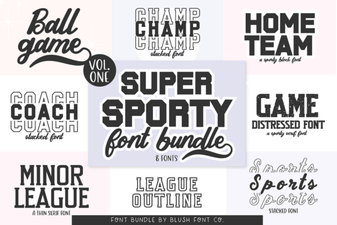 Super Sport Bundle Font: Designs That Move & Inspire
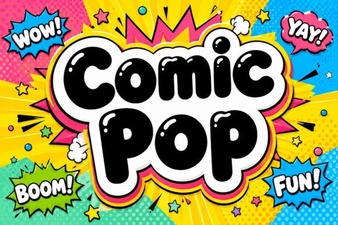 Fun Comic Fonts for Creative Projects
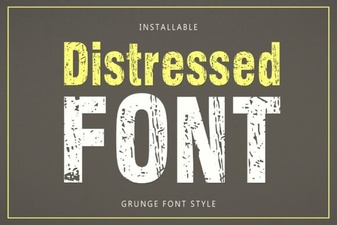 Crafting Visual Style with Distressed Fonts
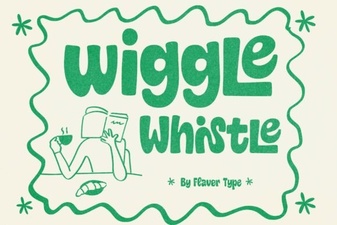 Wiggle Whistle Font Ideas for Creative Designers
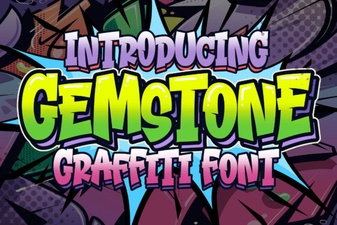 Creative Fonts & Gemstone Design Projects
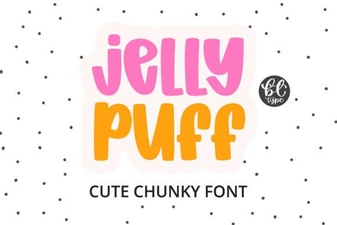 Jelly Puff Fonts for Creative Design Projects