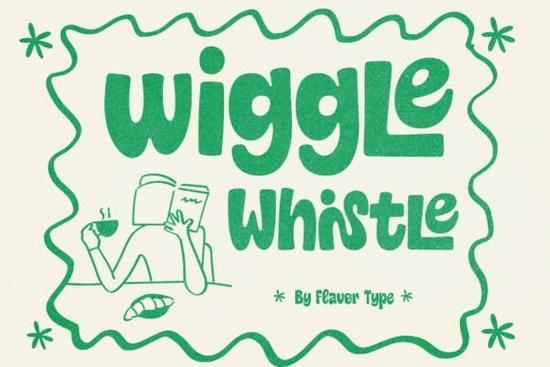
Finding a display typeface that balances playful energy with clear readability can take hours, but the Wiggle Whistle Font solves that quickly. Designed with chubby, rounded letterforms and a gentle wavy rhythm, this handmade style brings a cozy feel to any layout. Designers, crafters, and print-on-demand sellers use it when they want bold headlines that look friendly rather than corporate. If your brand focuses on food, children’s products, or seasonal stickers, this typeface helps you communicate warmth without needing extra graphics.
How do I make packaging and menu designs stand out without clutter?
Heavy ink and busy graphics often drown out the actual message. Let your typography do the work instead. The thick strokes and open counters keep words legible at smaller print sizes while grabbing attention from a distance. Place it on kraft tags, bakery boxes, or drink sleeves, and the text stays sharp even on uncoated paper. Because the letters bounce slightly, you get natural movement that guides the eye without extra decorative lines. You can also explore similar rounded display families if you need more pairing options for seasonal campaigns.
Which creative projects actually benefit from rounded display letters?
Lifestyle brands and small cafés see better engagement when visuals match their tone. Think ice cream windows, toddler apparel, farmers market signs, or digital invitations. Soft curves remove friction, making customers feel invited rather than targeted. I have tested similar styles on social media carousels, and the contrast between playful headers and clean body text always outperforms mixing two decorative fonts. For a punchier contrast, visit this energetic typeface collection to see what fits your brand.
What should I avoid when pairing this style with other typefaces?
The biggest mistake is matching wavy shapes with thin, condensed letters. That combination feels cramped and harder to read on mobile screens. Stick to geometric sans-serif or slab serif fonts for your secondary copy. Keep your hierarchy simple: use the display face for three to five words, then switch to a neutral typeface for pricing or descriptions. If you need structured alternatives, browsing through structured athletic headers or rustic serif choices gives your project a grounded base.
Does this typeface work well for digital cut files and vinyl crafts?
Many makers use bold display letters for cutting machines because clean edges reduce weeding time. Rounded terminals translate smoothly to vector formats without leaving sharp hooks that snag. When scaling for window decals or heat transfer vinyl, check spacing settings in your design software. Slight negative tracking helps letters sit closer without merging the thick stems. Always export a test print before cutting. If you want taller x-heights for wall art, review these bubble-style alternatives.
Where can I learn more about licensing for commercial handmade fonts?
Before selling products online, check the included license. Most designers cover physical goods and digital templates, but some platforms require specific allowances. Verify whether the file covers logo registration, since decorative faces usually cannot be trademarked. For deeper details on font rights, this resource page explains standard terms clearly. Keeping organized records protects your shop and the original creator.
- Limit headline length to four or five words to preserve legibility at small sizes.
- Check contrast ratios by placing your text on your actual brand background before exporting.
- Test print scale at 50% size to catch spacing issues early.
- Export final files in high-resolution PNG for digital use and CMYK PDF for printing.
- Keep a backup of your unflattened project file so you can quickly adjust tracking later.
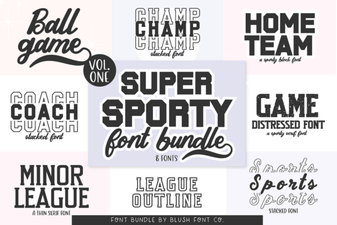 Super Sport Bundle Font: Designs That Move & Inspire
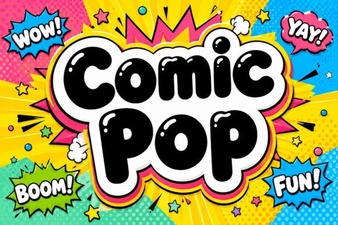 Fun Comic Fonts for Creative Projects
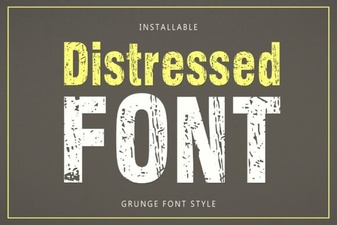 Crafting Visual Style with Distressed Fonts
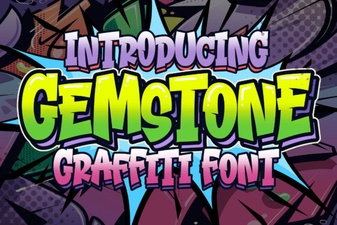 Creative Fonts & Gemstone Design Projects
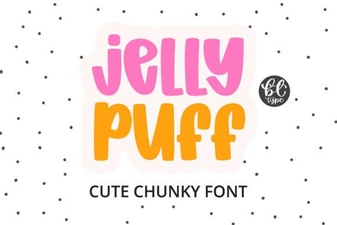 Jelly Puff Fonts for Creative Design Projects
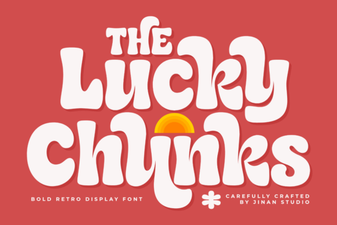 Lucky Chunks: a Fun, Creative Font for Your Projects