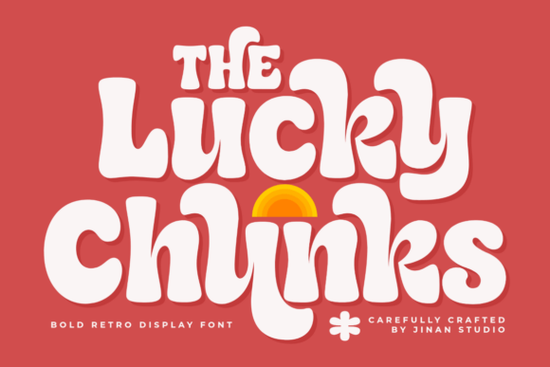
If you are looking for a display typeface that instantly grabs attention while keeping a warm, approachable feel, the Lucky Chunks Font hits that sweet spot. It brings together thick, playful letterforms and smooth edges that feel straight out of a 1970s poster shop. Designers, crafters, and small business owners often struggle to find retro styles that do not look too harsh or overly digital. This particular set solves that problem by using soft curves and generous spacing, which makes it highly readable even at large sizes. Whether you are printing custom tees, laying out café menus, or designing social banners, the typeface gives your layout a handmade, nostalgic character without sacrificing clarity.
What makes 1970s inspired lettering so effective for branding?
Vintage aesthetics tap into a sense of familiarity and comfort, which is exactly why this style works so well for modern visual identity. The seventies era was defined by warm color palettes, organic shapes, and expressive typography. When you use a typeface built on these principles, you are building an emotional connection with your audience. Small shops, coffee roasters, and handmade product sellers benefit from that warmth because it signals approachability and craftsmanship. The rounded shapes mimic hand-drawn signage, feeling more authentic than rigid alternatives. Consistency in weight and curve thickness keeps the overall message friendly rather than overwhelming.
Which specific projects should use groovy display text first?
You will get the best results when you let the letters breathe. This means reserving them for short text blocks where their unique personality can shine. Packaging labels, sticker sheets, and apparel graphics all rely on strong focal points, and the thick strokes create natural contrast against textured backgrounds or plain solid colors. If you run a print-on-demand shop, you will notice that the bold outlines print cleanly on dark fabrics and vinyl. It also works well for podcast covers and event flyers. When exploring similar display options, you might compare how this bubbly alternative handles curve thickness, or look into structured geometric sets to see how different styles affect your overall layout. You can also check the dedicated product showcase for mockup previews. If you need a sportier feel for merchandise, reviewing athletic lettering options helps you compare emphasis techniques, while rustic frontier styles show how regional aesthetics influence spacing.
How do I keep my layouts balanced when using heavy lettering?
Overcrowding remains the most common layout mistake. Heavy strokes demand extra padding around them. Start by setting generous margins, then pair the title with a lightweight sans serif or a clean slab serif for body copy. Keep line heights relaxed if you stack multiple lines. Avoid adding heavy drop shadows or complex outlines that fight with the original curves. The soft edges already carry enough visual weight, so simple color contrasts like mustard yellow, burnt orange, or deep olive green will make the text pop without looking chaotic.
What should I do next to get the most out of this typeface?
Before sending files to print, always test the typeface at different sizes. What looks perfect on a 4k monitor might blur when scaled down for business cards or woven labels. Convert your text to outlines to avoid substitution errors, and check how the curves render on your chosen material. Many sellers find that slight kerning adjustments on wide characters prevent awkward gaps. You can also experiment with texture overlays like paper grain or halftone dots to push the nostalgic feel further. If you want to browse the full library and see how similar retro sets behave, the Lucky Chunks collection includes multiple file formats for both digital and commercial workflows.
Follow these steps before publishing or printing your next project:
- Set your headline size between 60px and 120px to let the rounded curves show clearly.
- Use tracking at +20 to +50 for uppercase phrases so the chunky letters do not touch awkwardly.
- Pair with a neutral sans serif for descriptions to keep the layout readable.
- Export a test copy and view it on a phone screen to check mobile legibility.
- Keep color palettes muted and warm for the most authentic retro result.
Take a moment to sketch your layout on paper first. Hand-drawn thumbnails help you place heavy text blocks without overcrowding smaller elements. Once your spacing feels natural, apply the typeface to your canvas and adjust the leading until each line breathes evenly. This simple workflow saves hours of revision time and ensures your final design looks polished across every medium.
Try It Free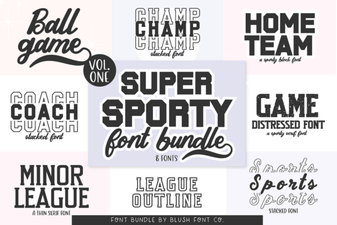 Super Sport Bundle Font: Designs That Move & Inspire
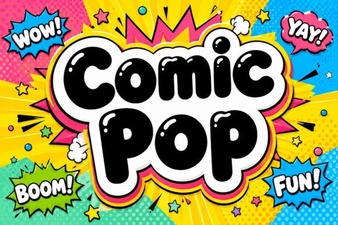 Fun Comic Fonts for Creative Projects
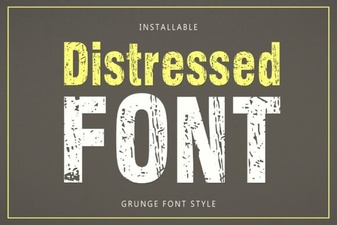 Crafting Visual Style with Distressed Fonts
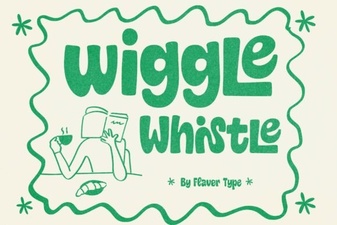 Wiggle Whistle Font Ideas for Creative Designers
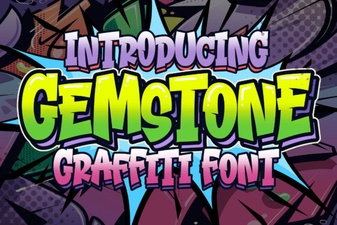 Creative Fonts & Gemstone Design Projects
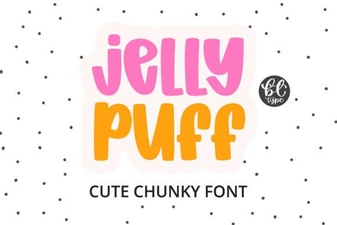 Jelly Puff Fonts for Creative Design Projects