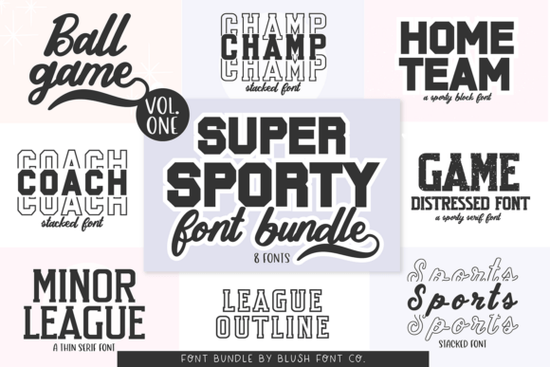
What projects actually need athletic typography?
Most people grab sports fonts for team shirts and spirit wear, but they also perform well across digital and physical media. The collection covers football, basketball, hockey, soccer, and general athletic branding. You can use it for sublimation prints, Cricut vinyl cuts, sticker sheets, or social media match-day graphics. Since the files are usually optimized for cutting machines and standard design software, you won’t need to spend extra time converting formats. If you already work with weathered textures for outdoor gear, you might pair these athletic letters with a slightly worn effect to add depth. You can explore how distressed textures interact with sports layouts in this guide on textured display options.
How do you match the style to your design goal?
Athletic typography falls into a few clear categories, and knowing which one fits your layout makes the process smoother. Clean collegiate styles work best for school programs, letterman jackets, and structured team branding. Vintage-inspired numerals and block letters bring a retro feel to classic sportswear, throwback event posters, and nostalgic merchandise. If your clients prefer playful themes for youth sports or family fun runs, combining a bold jersey numeral with a rounded casual type can soften the look. You can see how other display collections handle casual layouts by checking out whimsical type options. When you need a cleaner, more structured look for official team logos, the Super Sport collection gives you consistent stroke weights and spacing out of the box.
What should print-on-demand sellers check before printing?
Most sellers run into scaling or readability issues when they stretch letters to fit a template. Always check the preview mode in your design software before exporting. Keep the baseline straight, avoid overlapping the jersey numbers on curved shirt folds, and test a single print before committing to a bulk run. If you add metallic vinyl or puff ink, remember that thick athletic fonts handle raised textures better than thin scripts. To keep your typography readable on moving fabric or small stickers, pay close attention to letter spacing. Designers often test a reference typeface like Varsity Champion to compare kerning and stroke contrast before finalizing their layout.
Seasonal campaigns and tournament weekends also open up room for specialty typography. When your design needs a softer touch for fan gear or community events, pairing your main sport type with a chunky display style can balance the composition. You might explore bold rounded typefaces for casual sportswear. For premium packaging or upscale team gift boxes, a refined accent font like elegant stone-inspired lettering can add contrast without competing with the athletic theme.
Before you start your next sports merch project, run through this quick setup list to avoid common printing and cutting mistakes:
- Open your design file at actual size and check readability from two feet away.
- Match the font weight to your material use bolder styles for fabric and vinyl, and lighter weights for paper or digital graphics.
- Export cut files with mirrored layers if your software requires it, and run a test print on scrap material.
- Keep a backup of the original files in a dedicated folder for future client orders.
- Review licensing terms to confirm you can sell finished products under your current plan.
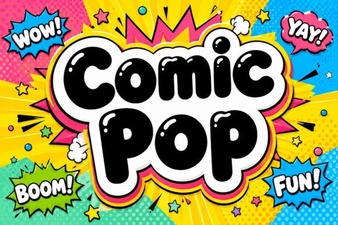 Fun Comic Fonts for Creative Projects
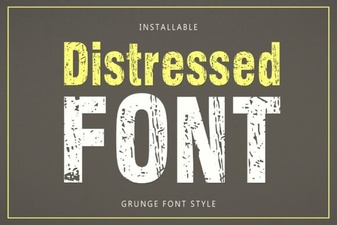 Crafting Visual Style with Distressed Fonts
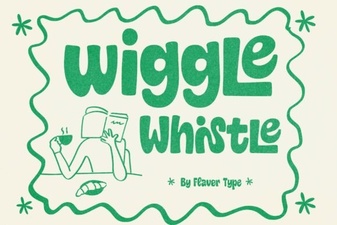 Wiggle Whistle Font Ideas for Creative Designers
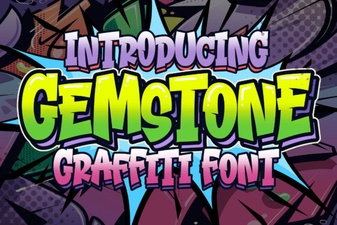 Creative Fonts & Gemstone Design Projects
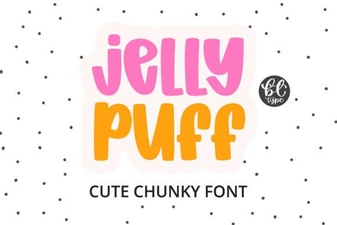 Jelly Puff Fonts for Creative Design Projects
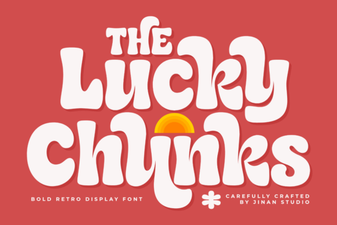 Lucky Chunks: a Fun, Creative Font for Your Projects