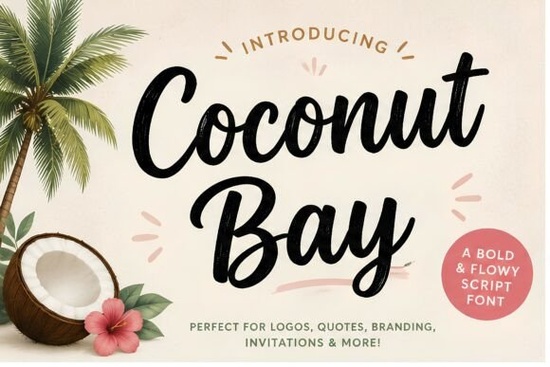
If you are designing summer merchandise, coastal branding, or vacation-themed graphics, Coconut Bay Font gives your layouts an instant relaxed feel. The smooth brush strokes mimic real tropical handwriting, making it a reliable choice for projects that need a friendly voice without looking overproduced. Designers and print-on-demand sellers can drop this script straight into mockups for t‑shirts, tote bags, or social posts and get clean results immediately.
What types of projects benefit most from a brush script like this?
Handwritten typefaces shine when you need to communicate warmth quickly. For beach cafés, surf shops, or summer event planners, the relaxed letterforms pair naturally with sun‑baked color palettes and simple layouts. Small business owners often use it for custom labels, welcome signs, and seasonal packaging where a polished serif would feel too rigid. If you want to explore similar casual styles, you might also compare it with a vintage sports-inspired script that works well for retro apparel collections.
Does the brush texture hold up on printed products and fabric?
The stroke variation stays readable at medium sizes, which matters for screen printing and direct‑to‑garment orders. Thick-to-thin transitions add character to large headers, while smaller accent text needs a clean sans‑serif partner for balance. Crafters cutting vinyl should test the thinner curves first and adjust your plotter settings slightly to prevent tiny breaks. Many creators run this type through a subtle grain overlay to keep it looking hand‑drawn. For a softer, more romantic alternative, browse the delicate invitation scripts often chosen for boutique stationery.
Typography trends shift, but the demand for authentic, human‑touch lettering stays steady. If you are building a cohesive summer bundle, mix retro craft typefaces with this coastal script to give your shop multiple visual voices. You can also check how Coconut Bay Font performs against other marketplace favorites to decide which weight fits your brand guidelines.
How do I pair this script without cluttering my designs?
Keep your secondary typeface simple and highly legible. A geometric sans or rounded humanist font will anchor the layout while letting the script headline breathe. Use it sparingly, usually for a single focal phrase, and let generous negative space handle the rest. If your project needs a warm cafe vibe, pairing it with a friendly display typeface can create a cohesive look for menus and cards. For rustic packaging, try combining the strokes with chunky vintage lettering that echoes handmade product tags.
Always test your color combinations on light and dark backgrounds. Tropical themes respond well to muted earth tones, faded coral, or soft seafoam rather than harsh primaries. Add a slight shadow behind the wordmark only if viewing on screens; printed materials usually look cleaner with flat ink fills.
What licensing steps should I verify before selling merchandise?
- Check commercial terms: Confirm the license covers physical goods, digital downloads, and client work.
- Trace complex curves: Convert text to paths for cut‑files to clean up overlapping anchors and speed up plotter processing.
- Embedding rules: Review whether PDF or web embedding is allowed for digital planners or client sites.
- Clear accompanying assets: Ensure any tropical illustrations or backgrounds you add are cleared for your intended distribution.
How can I keep coastal branding from looking generic?
Authentic beach design relies on specific details. Instead of defaulting to stock palm silhouettes, use local map coordinates, vintage luggage tags, or hand‑drawn wave lines that match the font’s organic rhythm. Adjust tracking slightly so letters overlap naturally, then lock your layout before scaling. This prevents stretching when resizing for Instagram thumbnails versus full‑width banners.
Next steps: Download the OTF files, open your design software, and run a quick kerning test on words containing t, a, and l to confirm spacing matches your guide. Print a small sample on your exact sales material, photograph it in daylight, and check stroke clarity. If the results look crisp and the license covers your use case, you can safely batch your seasonal inventory.
Learn More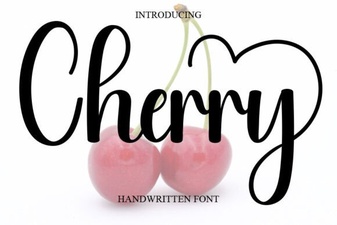 Cherry Font: Design Ideas & Creative Uses
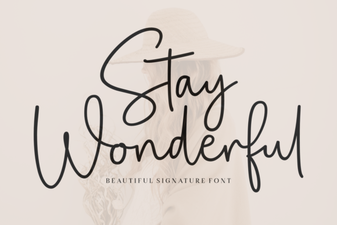 Stay Wonderful Font: Creative Uses & Design Ideas
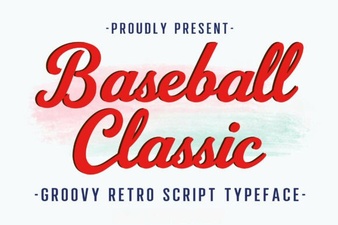 Typography for Baseball Fans: Classic Fonts & Uses
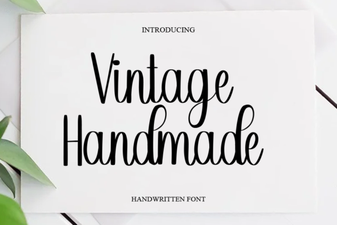 Craft Projects Using Vintage Handmade Fonts
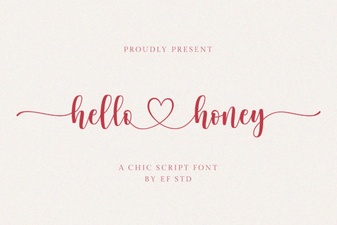 Hello Honey Font: Creative Design Uses & Tips
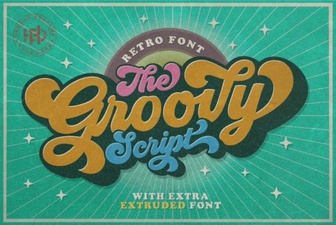 Groovy Fonts: Creative Projects & Design Ideas