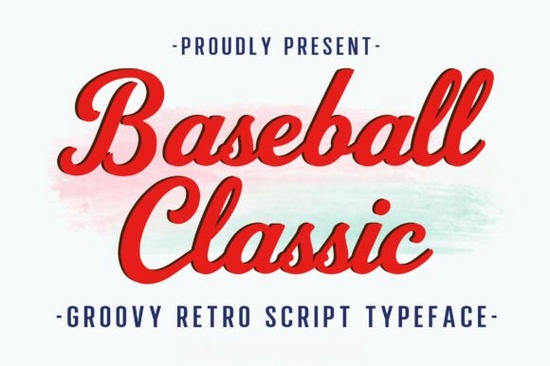
If you have been searching for a typeface that captures that nostalgic ballpark energy without looking dated, Baseball Classic Font is worth a closer look. This bold retro script balances thick, sweeping curves with tight, athletic spacing, making it an excellent choice for anyone building sports-themed branding or vintage apparel. Because it includes a full set of uppercase letters, lowercase characters, numbers, and punctuation, you can jump straight into designing without hunting for extra assets.
How does a vintage sport script perform in real commercial work?
Many designers choose this style for print-on-demand stores because the heavy stroke weight holds up well on fabric and promotional items. When you print on dark t-shirts or distressed canvas totes, the clean edges prevent ink bleed and keep the lettering readable from a distance. The retro sports aesthetic also works naturally on café menus, brewery tap handles, and local league jerseys. Since the letterforms connect smoothly, you can use shorter quotes or team names without the script feeling cramped. You can see more layout examples on the official typeface showcase page to understand how it pairs with different textures and backgrounds.
When pairing typefaces, keep the contrast simple. A sturdy sans-serif for body copy lets the script stand out on posters or product tags. If you prefer a softer, more romantic flow for a different brand identity, exploring options like this warm handwritten style or browsing through other casual scripts might give you better results for weddings or boutique shops.
What design projects suit a sporty vintage typeface best?
The versatility of this font really shines when you stick to its strengths. Here are the project types where it delivers consistent results:
- Apparel graphics: Screen printing and heat transfers benefit from the bold weight, especially on cotton blends and vintage wash tees.
- Logo mark creation: The built-in punctuation and clean terminals make it easy to build simple badges for local sports teams or retro food brands.
- Poster and flyer layouts: Event banners, tournament schedules, and garage sale signs stay legible when printed at large sizes.
- Digital merch: Etsy listings and mockup displays pop more when the typography carries that classic ballpark personality.
If you are working on a family-focused brand or a sweet shop identity, you might find that a playful fruit-inspired script fits the mood better. For partners who need matching sets across wedding suites and save-the-dates, checking out coordinated duo packs can save you time on kerning and spacing adjustments.
How do I prepare the files before sending them to production?
Working with retro display type requires a few practical steps to avoid last-minute printing headaches. First, always convert your text to paths or outlines before handing files to a screen printer or laser engraver. This locks the letterforms in place and prevents the printer’s software from substituting a default system font. Second, check your kerning manually. Retro scripts often carry extra swash tails that can overlap awkwardly on tight letters like A, T, or V.
Third, test your design at the actual print size. What looks sharp on a monitor might lose detail when scaled down to a pocket logo or a coffee cup wrap. Fourth, keep your color palette simple. High-contrast combinations like cream on navy or mustard on charcoal bring out the vintage character without overwhelming the viewer. For a deeper look at licensing and commercial usage rights, you can review the official Baseball Classic Font documentation to ensure your project aligns with standard seller guidelines.
What should I check before finalizing my layout?
Small adjustments often make the biggest difference when working with display typography. Always zoom in to 100% to catch any awkward intersections between swashes and punctuation marks. If you are layering multiple colors, run a test print on your actual substrate first, because fabric texture and paper finish will change how the ink spreads. Keep the background clean so the bold curves stay the focal point.
When you need a quick reference to keep your workflow smooth, follow this short checklist before exporting:
- Convert all text layers to outlines or paths
- Adjust letter spacing by eye, not just default tracking values
- Verify color mode (CMYK for print, RGB for digital)
- Check punctuation alignment with uppercase and lowercase sets
- Export at 300 DPI for physical goods or 72 DPI for web listings
- Run a small-scale test print to confirm ink coverage and legibility
Taking ten minutes to review these steps will save you from costly reprints and help your final products look professionally finished. If you are building a shop or updating your portfolio, test this typeface on three different layouts to see which background colors and spacing settings bring out the retro athletic vibe the best.
Try It Free Explore the Coconut Bay Font for Creative Projects
 Cherry Font: Design Ideas & Creative Uses
 Stay Wonderful Font: Creative Uses & Design Ideas
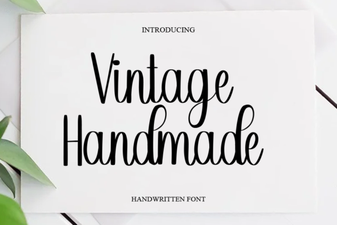 Craft Projects Using Vintage Handmade Fonts
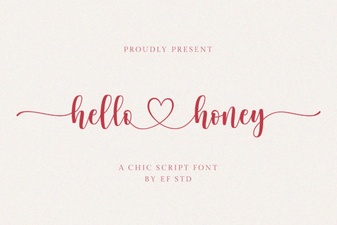 Hello Honey Font: Creative Design Uses & Tips
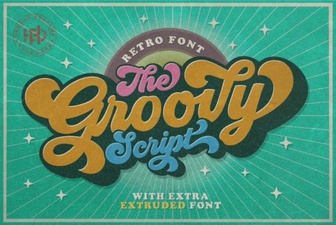 Groovy Fonts: Creative Projects & Design Ideas