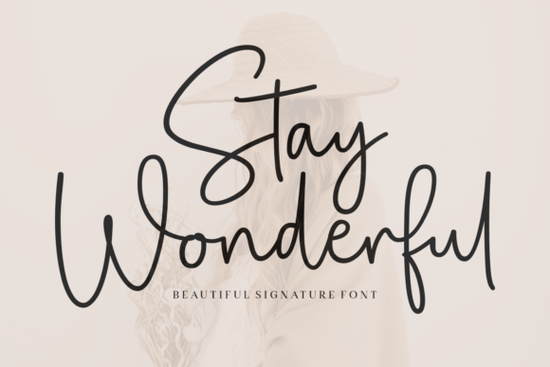
If you need a thin and beautiful handwritten typeface that stays readable at smaller sizes, the Stay Wonderful Font is a reliable choice for everyday projects. Designers, crafters, print-on-demand sellers, small business owners, and creative hobbyists often struggle to find script styles that feel personal without becoming messy on dark backgrounds or tight layouts. This particular typeface uses well-rounded terminals and consistent stroke weights to keep your text clean. When you understand how lightweight scripts behave during export and printing, you can save hours of formatting adjustments and move faster toward final approval.
What kind of projects work best with delicate script typography?
Lightweight scripts perform well in designs that require a soft, approachable tone. Wedding invitations, café menus, artisan packaging, and lifestyle blog headers all benefit from typography that feels hand-drawn rather than corporate. Because the strokes stay thin, these layouts naturally leave room for negative space, which improves visual balance on both screens and paper. If you are building a seasonal shop, you might also want to explore bright and playful lettering for summer campaigns that sit nicely beside airy layouts. Many creators also reference the Cherry Font when they need a slightly bolder accent for headline emphasis.
How do curved letterforms affect tracking and alignment?
The rounded shapes in these characters mean default spacing rarely works without manual adjustment. Tight tracking causes thin loops to merge, especially on mobile displays, while wide tracking breaks the natural flow of the handwriting. Start with a letter spacing value between 15 and 25 and adjust based on your headline size. When placing text over photographs, a subtle background shape or soft shadow keeps the words legible. Many creators keep romantic brush alternatives in their library when a project needs a slightly heavier feel. Testing the Little Love Font alongside this script can help you compare loop thickness and baseline stability before finalizing a layout.
What should merchandise makers know before printing this style?
Print-on-demand platforms compress uploaded files, which can erase fine details or cause faint pixelation. Always export at 300 DPI and avoid scaling the text below 12 points. Dark fabrics absorb thin lines quickly, so invert your color strategy or add a light outer stroke to maintain clear visual contrast. You will notice that retro-style lettering often survives heavy fabric textures better, while delicate scripts like this one shine on smooth cotton, glossy stickers, and matte paper tags. Checking the Groovy Font beforehand gives you a quick reference point for how heavier weights behave under print compression.
How do you pair a light script with body text without visual clutter?
Successful pairing relies on weight and structural contrast. A neutral sans-serif or a light geometric font handles product descriptions, pricing, and instructional copy while the script reserves headlines and signatures. Avoid combining it with highly ornate or heavily shaded typefaces, as competing details will distract the viewer. Keep your color scheme limited to two or three muted tones so the handwriting remains the focal point. Reviewing tropical-themed collections can also show you how scale and spacing shift across different visual moods. The Coconut Bay Font works well as a supporting display type when you want to add a relaxed, seasonal touch to body paragraphs.
Where can designers find matching typefaces for upcoming campaigns?
Building a functional library takes patience, but grouping fonts by stroke weight and x-height will speed up future layouts. Create separate folders for formal scripts, casual handwriting, and bold display faces. Rotate your primary typeface every quarter to keep your shop visually fresh without rebuilding your entire brand. If you want to see how this lightweight style is currently applied across mockups and customer galleries, browsing community previews often reveals new composition techniques. You can also compare spacing strategies by visiting curated script showcases that focus on clean alignment and color matching.
What is the quickest way to test readability before final export?
- Preview three sizes: Test large headlines, medium subheadings, and small accent lines to verify spacing on different screens.
- Check background contrast: Place the text over your actual brand colors or product photos to ensure thin strokes remain sharp.
- Adjust tracking in small steps: Change letter spacing by increments of five until the curved ends stop overlapping.
- Print a physical draft: Output on your chosen material at full size to catch rendering issues that monitors hide.
- Save paragraph presets: Lock your spacing, scale, and color settings to streamline future design batches.
Open a fresh canvas, drop a short phrase into the center, and adjust the line height until the letters breathe evenly. Once the spacing holds on your primary selling platform, roll the typeface out to product tags, email banners, and social graphics with confidence.
Learn More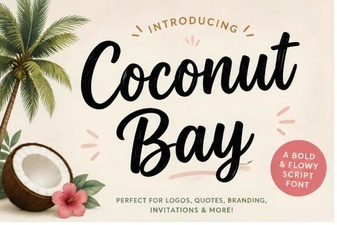 Explore the Coconut Bay Font for Creative Projects
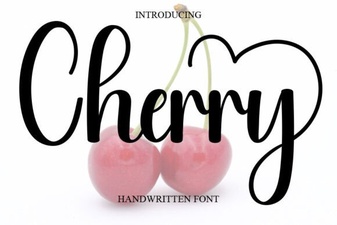 Cherry Font: Design Ideas & Creative Uses
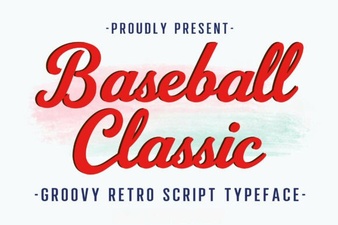 Typography for Baseball Fans: Classic Fonts & Uses
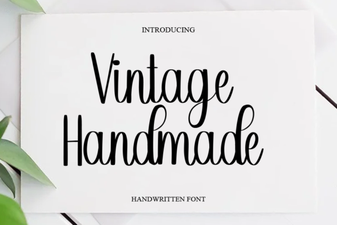 Craft Projects Using Vintage Handmade Fonts
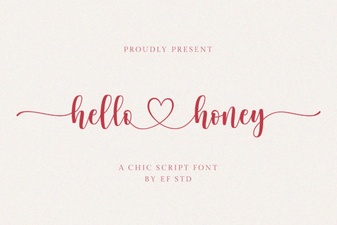 Hello Honey Font: Creative Design Uses & Tips
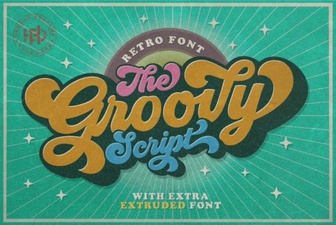 Groovy Fonts: Creative Projects & Design Ideas