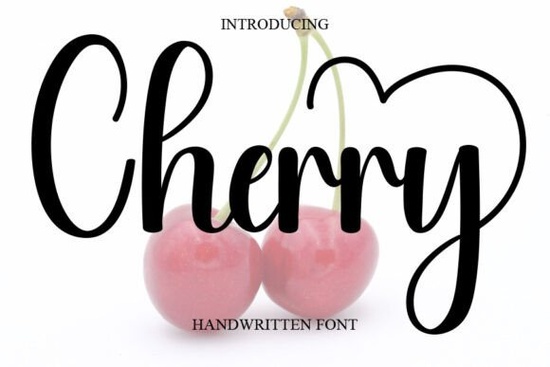
Finding a script typeface that balances elegance with a relaxed feel can be difficult, which is why the Cherry Font has become a reliable choice for many creators. It carries the gentle sweep of a cursive handwritten style while keeping characters clear enough for everyday use. If you design custom apparel, create digital planners, or manage a small brand, this typeface gives you a quick way to add a personal touch without overwhelming your layout. The smooth curves and natural rhythm make it suitable for both print and screen projects, especially when you want your work to feel warm and approachable.
Handwritten scripts work best when they are paired with clean, complementary fonts. You usually get better results when a flowing script sits above a simple sans serif or a light serif. This contrast helps readers focus on the important words while the decorative elements frame the message. Designers often use this approach for product packaging, social media templates, and boutique storefront banners. The key is to let the script handle the emotional weight of the design while keeping supporting text strictly functional.
How can this script typeface improve my everyday projects?
The main advantage of a script like Cherry is its versatility across different formats. When you need to soften a minimalist layout, adding a few carefully chosen cursive lines creates instant visual interest. You can use it for monograms on tote bags, signature-style quotes for Instagram carousels, or delicate accents on ceramic labels. Many print-on-demand sellers find that handwritten typography converts well because it feels handmade and intentional. If you are exploring similar styles for different seasons, you might want to check out resources like the romantic summer typography or pair it with something more structured for contrast.
What types of businesses benefit most from romantic cursive lettering?
Brands that rely on storytelling or personal connection usually see the best results. Wedding planners, florists, boutique photographers, and handmade jewelry shops all use this aesthetic to communicate care and attention to detail. You will also notice it on cafe menus, artisan bakery packaging, and lifestyle lookbooks. The trick is to avoid overusing it. Keep headings short, use it only where you want the eye to rest, and reserve it for titles or standalone quotes. If your niche leans toward vintage aesthetics or relaxed lifestyle branding, you might find inspiration in collections featuring the modern bohemian scripts or the tropical beach typography for seasonal campaigns.
How do I keep cursive text readable on different screens and materials?
Readability drops quickly when script fonts are scaled too small or crammed into tight layouts. Start by setting your base size higher than you normally would for body text. Give each letter enough breathing room, especially when the default kerning feels uneven. Test your files at one hundred percent zoom and print a physical sample if you plan to sell merchandise or packaging. Dark text on light backgrounds works best, and you should avoid placing heavy strokes directly over textured photos. For marketing campaigns or digital ads, consider pairing your script with a balanced complementary typeface to maintain visual harmony without sacrificing clarity.
Where should I look when building a complete typography set for my brand?
Building a cohesive design system means thinking ahead about secondary and accent fonts. If your primary script handles invitations and headers, choose a neutral sans serif for instructions, ingredients, or terms. Check how different weights behave at various sizes before committing to a final layout. Many designers search Creative Fabrica for curated bundles to save time and ensure consistent licensing. If you want to compare styles or test variations, you can explore Honeymoon Handwriting for elegant invitations, try Stay Wonderful for gentle quotes, or experiment with Groovy for retro layouts. For summer campaigns, Coconut Bay offers relaxed vibes, while Better Together works well for collaborative projects. For official specifications and usage guidelines, you can also visit Cherry Font to review the full file details and license terms.
What should I check before using a new script in a client layout?
Before exporting final files for production, run through a quick quality check. Print-on-demand platforms and commercial print shops have strict requirements for text clarity and spacing. Make sure you have embedded the font correctly, outlined the text for vector exports, and verified that all special characters render properly. Small mistakes at this stage can cause reprints or delayed shipments. Always keep a layered source file separate from the print-ready version so you can make last-minute edits without rebuilding your design from scratch.
- Test at 100% zoom on both your monitor and a printed proof before approving final files.
- Pair with a neutral typeface to keep supporting information easy to scan without competing for attention.
- Adjust kerning manually if connecting strokes overlap or feel too tight in your layout software.
- Verify licensing terms to confirm commercial use covers your specific product type and sales channel.
- Export with outlined text when sending vector files to printers or POD services to prevent missing font errors.
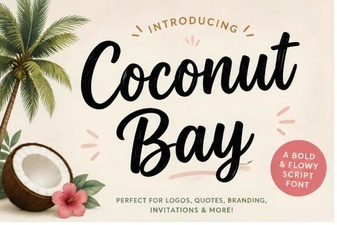 Explore the Coconut Bay Font for Creative Projects
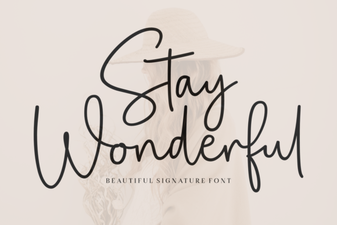 Stay Wonderful Font: Creative Uses & Design Ideas
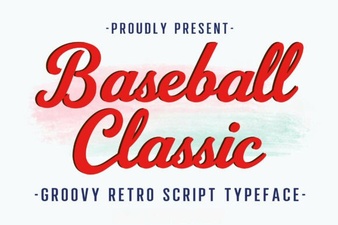 Typography for Baseball Fans: Classic Fonts & Uses
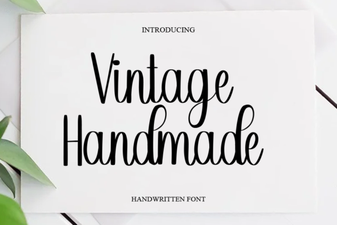 Craft Projects Using Vintage Handmade Fonts
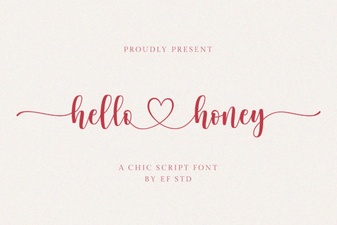 Hello Honey Font: Creative Design Uses & Tips
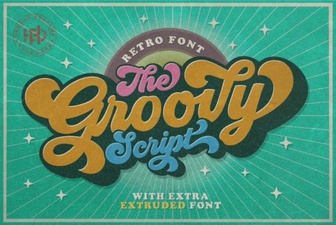 Groovy Fonts: Creative Projects & Design Ideas