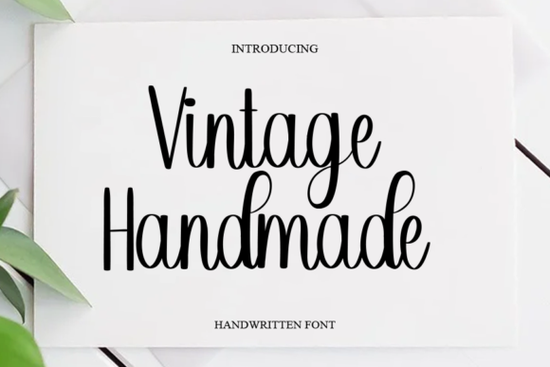
Finding a typeface that feels personal without sacrificing readability is a common challenge for designers, crafters, and small business owners. The Vintage Handmade Font addresses this need by offering a warm, slightly irregular script style that mimics natural pen strokes. Because each character carries subtle variations in thickness and baseline placement, it reads like genuine handwriting rather than a rigid digital copy. This makes it a practical choice for creating logos, packaging, social media quotes, and custom merchandise where authenticity matters.
What makes this handwritten style stand out in crowded markets?
Typography trends shift quickly, but authentic lettering tends to hold attention longer than overly polished geometric styles. When you pair uneven character spacing with consistent stroke weight, the result feels approachable and trustworthy. Shoppers browsing online storefronts or physical market booths often respond better to visuals that look carefully crafted. This script delivers that effect while maintaining enough structure to stay legible at different print sizes. Creators can adjust tracking and line spacing to fit tight label dimensions, and hobbyists can easily trace the shapes onto stencils or transfer paper without losing the original charm.
How can print-on-demand sellers apply it to everyday products?
The real value appears when you match the lettering style to specific item types. Quote posters benefit from centered alignment with generous margins, while apparel mockups look cleaner when the text follows a single curved path. If you sell custom stationery or boutique branding materials, pairing this typeface with a neutral sans serif creates visual balance without overwhelming the layout. Many makers use it for mug wraps, tote bag prints, and journal covers where ink density stays consistent across production runs. To keep fulfillment smooth, always export artwork at 300 DPI and convert text layers to outlines before uploading to manufacturing partners. This prevents missing glyph errors and guarantees the physical print matches your digital preview.
Which complementary typefaces work well alongside it?
You do not need dozens of alternatives to build a cohesive brand kit. Start by testing lighter script weights for secondary details, then reserve bolder strokes for main headings. If you prefer exploring similar aesthetics, browsing through curated collections can save hours of trial and error. For instance, you might compare the flow of classic script pairings to see how alternate ligatures affect word spacing. Some sellers check relaxed coastal lettering for a more seasonal summer vibe, while others prefer modern brush alternatives that lean toward contemporary calligraphy. When planning wedding or event materials, formal invitation styles often pair nicely with thin rule lines, and compact cursive options work well for product hang tags with limited printable space.
How do you prepare the files for commercial use and safe printing?
Licensing and technical readiness matter just as much as visual appeal. Before publishing to storefronts, verify whether your purchase agreement includes commercial rights for physical merchandise, then confirm the supported file formats for your design software. Most platforms accept TTF or OTF files for desktop publishing and WOFF for web embeds. When designing for print-on-demand, group all text elements, apply a subtle shadow only if the background color provides enough contrast, and avoid scaling beyond the recommended limits to prevent jagged edges. If you are unsure about spacing adjustments, measure the x-height against your secondary body font to maintain proportional balance. Small tweaks like lowering the baseline slightly or adding a thin divider line can separate titles from descriptions without cluttering the composition.
For further guidance on typography spacing and print preparation, you can review standard layout practices for Vintage Handmade Font on the official marketplace. Understanding how ink coverage interacts with cotton fabric or matte cardstock will save you from costly reprints and keep customer reviews positive.
What should you verify before publishing your final designs?
Consistency across customer touchpoints builds brand recognition faster than switching styles for every new listing. Stick to two font weights maximum, keep your color palette limited to three complementary tones, and test mockups on neutral backgrounds before making them live. When preparing quote graphics or packaging headers, read every line aloud to catch awkward line breaks or mismatched punctuation. A quick review of kerning pairs and descender spacing ensures the final output looks intentional rather than automatically generated.
Quick prep checklist before export:
- Confirm commercial licensing matches your intended sales channel.
- Convert all text to paths or outlines to lock character placement.
- Check minimum readable size so letters stay clear on small stickers or tags.
- Adjust stroke thickness against background contrast to avoid print bleeding.
- Save a master editable project file alongside flattened print-ready versions.
Take five minutes to apply these steps before your next upload, and you will deliver clean, production-ready assets without last-minute file corrections.
Get Started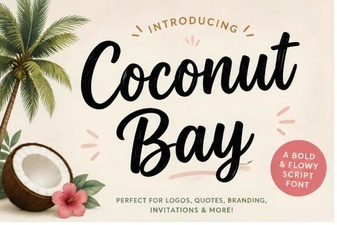 Explore the Coconut Bay Font for Creative Projects
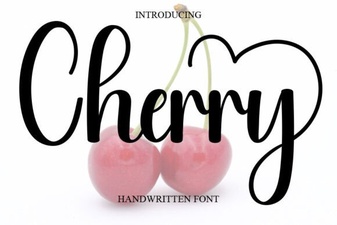 Cherry Font: Design Ideas & Creative Uses
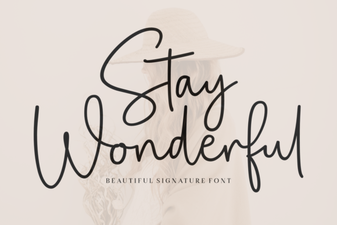 Stay Wonderful Font: Creative Uses & Design Ideas
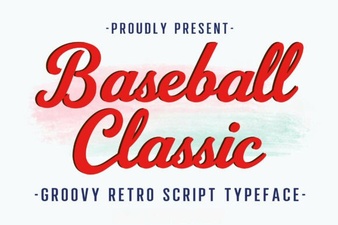 Typography for Baseball Fans: Classic Fonts & Uses
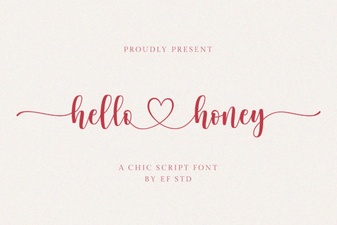 Hello Honey Font: Creative Design Uses & Tips
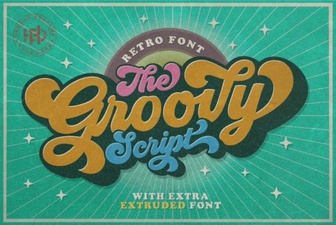 Groovy Fonts: Creative Projects & Design Ideas