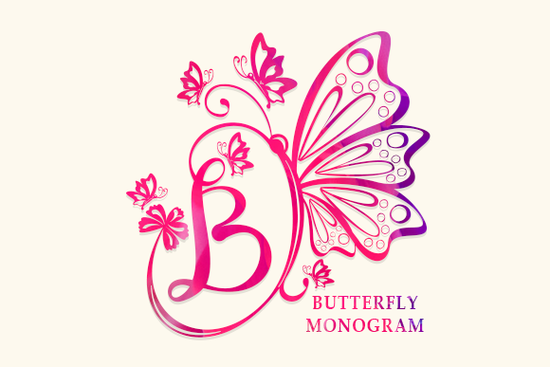
If you are looking for a decorative typeface that adds a soft, hand-crafted touch to your next project, this elegant collection of ornamental letters delivers exactly that. The Butterfly Monogram Font stands out because it balances traditional calligraphic structure with delicate floral motifs. Many independent designers and small business owners use it when they need typography that feels personal rather than generic. You can drop it into a layout and instantly notice how the swashes and leaf-like extensions soften sharp corners and guide the reader’s eye naturally.
What types of print projects work best with ornamental monograms?
Wedding suites and event stationery benefit the most from this style of lettering. Brides, planners, and boutique printers often look for a single display typeface that can anchor a formal invitation without requiring extra graphic elements. You will find it works exceptionally well for save-the-date cards, place settings, and thank-you notes. The decorative strokes also translate cleanly to digital formats, so you can reuse the same glyphs for Instagram headers, Etsy shop banners, or Pinterest pins. When working with print-on-demand platforms, always verify that the resolution stays crisp at 300 DPI before uploading your mockup.
How do you pair sweeping decorative letters with supporting text?
Ornamental typefaces can easily dominate a layout if the supporting copy competes for attention. Keep your body text simple by choosing a clean sans-serif or a classic serif that reads well at small sizes. I usually set the monogram at 1.5 to 2 times the point size of the paragraph font, then adjust the tracking until the curves feel balanced against the block text. If you are exploring other playful options for seasonal campaigns, you might also compare this with alternative decorative styles that lean toward bold, geometric shapes instead of flowing swashes. The contrast helps you understand how different decorative approaches affect overall readability.
When sourcing reference materials or studying historical lettering, many typographers start with official previews like the Butterfly Monogram catalog. This gives you a reliable baseline for checking character coverage, alternate glyphs, and ligature behavior before committing to a final design direction. For crafters using cutting machines, remember to expand the text to paths only after you finish positioning. Once the curves are converted, you can adjust node handles manually to remove tiny overlapping segments that sometimes confuse vinyl cutters or laser engravers.
Why does font licensing matter for commercial creators?
Selling physical goods with custom typography requires clear usage rights. Standard personal licenses rarely cover merchandise, digital templates, or bulk printing runs. Always read the license file included in the download folder. If you plan to use the glyphs for client work or resaleable Canva templates, look for a commercial upgrade that explicitly allows embedding and distribution. Small shops often overlook kerning adjustments and assume decorative fonts will space themselves correctly, which rarely happens. Spend ten minutes testing capital combinations, lowercase pairs, and punctuation marks side by side before finalizing your artboard.
What quick adjustments keep the lettering legible on dark backgrounds?
High-contrast pairings can hide delicate ornament details. When placing the type over deep charcoal or navy, increase the stroke weight slightly or apply a subtle outer glow rather than relying on pure white fill. I recommend adding a soft drop shadow with zero blur and low opacity to separate the thin swashes from busy photography. Test your design on a phone screen at 50% brightness before exporting. If the curls blur together, reduce the overall scale or switch to a simpler character variant that ships with the package. Many decorative families include unadorned caps for exactly this situation.
Before you finalize your design, run through this short workflow:
- Print a small physical proof to check curve thickness and paper absorption.
- Adjust character spacing manually instead of relying on default kerning values.
- Verify the license matches your intended sales channel, especially for print-on-demand or digital templates.
- Save an editable source file alongside your exported PNG or PDF in case the client requests minor text changes later.
- Test the exported file on both iOS and Android devices to ensure the glyphs render without clipping.
Keep these steps in your regular project routine, and your typographic layouts will stay polished across both print and digital formats.
Try It Free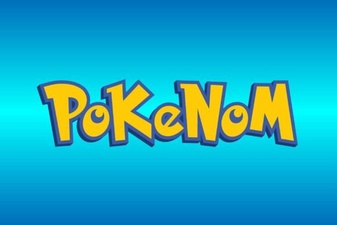 Pokenom Font: Creative Designs for Gaming Projects
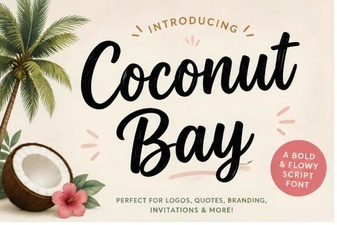 Explore the Coconut Bay Font for Creative Projects
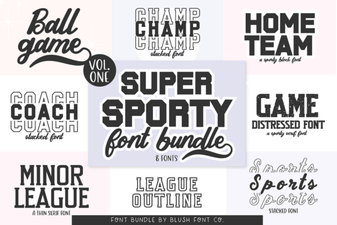 Super Sport Bundle Font: Designs That Move & Inspire
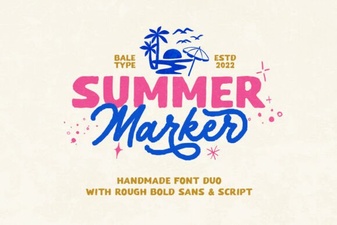 Summer Marker Font for Creative Projects & Designs
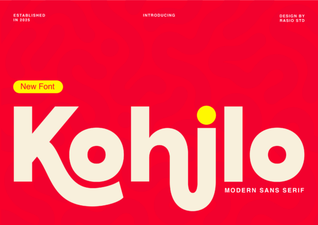 Design with Kohilo Font: a Modern Typography Resource
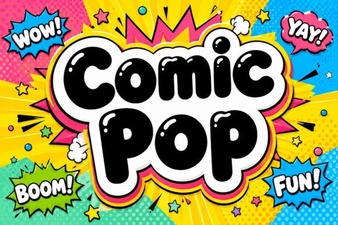 Fun Comic Fonts for Creative Projects