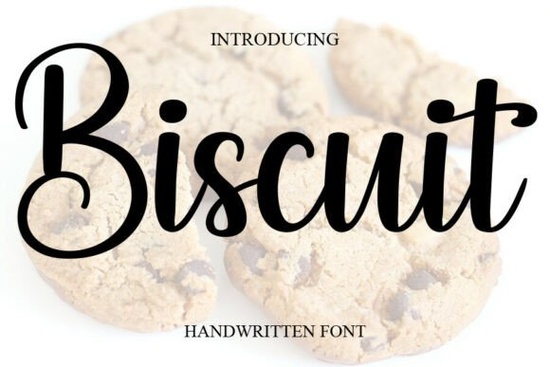
If you need a handwritten script that feels warm and approachable without losing its polished edge, the Biscuit Font is worth testing in your next project. It blends soft, flowing strokes with a casual rhythm that reads clearly at both large and small sizes. Designers, crafters, and small business owners often reach for this style when they want their work to feel personal but still professional. Whether you are laying out wedding invitations, drafting social media graphics, or preparing print-on-demand apparel mockups, this typeface keeps things light, romantic, and easy on the eyes.
What makes this script typeface work for everyday projects?
Handwritten scripts can sometimes feel overly decorative or hard to read, especially on digital screens. This particular typeface avoids that trap by keeping its letterforms open and its baseline steady. The gentle curves give it a human touch, which helps brands connect with audiences looking for authenticity. When you use it for branding or logo design, it stands out against cleaner sans-serifs. It scales well for short headlines, watermarks, and product tags without losing its character. For crafters making greeting cards or boutique packaging, the romantic flow adds a premium feel that customers notice right away.
If you enjoy experimenting with different script weights, you might also want to browse soft cursive alternatives that share a similar delicate stroke structure. Testing a few options side by side usually reveals which one aligns best with your overall aesthetic.
Where does it fit best in a creative workflow?
The real value of a versatile handwritten font shows up when you apply it across multiple channels. Fashion labels use it for lookbooks and hang tags to suggest approachable luxury. Small businesses drop it into Instagram carousels and Pinterest pins to break up rigid layouts. Wedding planners pair it with delicate floral borders and soft color palettes to match seasonal themes. Because the letters connect naturally, it works well in marketing promotions where quick readability matters. Pro tip: keep the main body copy in a simple sans-serif and reserve this script for headings or accent phrases.
Another common use is in the print-on-demand space. Tote bags, mugs, and apparel designs often need typography that feels personal rather than mass-produced. When placed on a clean background, the flowing lines catch attention without overwhelming the product image. You can explore summer-ready type options to see how seasonal palettes influence typography choices across different niches.
How do you pair it with other type styles?
Successful typography relies on contrast, not competition. Since this script brings a casual yet elegant energy, it pairs cleanly with geometric sans-serifs for modern layouts. For more traditional feels, try pairing it with a high-contrast serif that adds structure. Always test your combinations at actual print size and on mobile screens. What looks balanced on a wide monitor can feel cramped on a phone. Keep tracking tight on the script but give it enough line height so the swashes never crash into the next row.
If you are building a full branding system, consistency matters more than variety. Stick to two or three typefaces across your collateral, and let the handwritten element serve as the accent. Many creators keep a shortlist of refined cursive options that pair smoothly into multi-level branding kits. Those who prefer cleaner script structures often use them for corporate invitations or minimalist stationery.
What should you check before using it for commercial work?
Before adding any typography to a client deliverable or a sellable template, always review the license terms. Most Creative Fabrica assets allow commercial use for physical products and digital designs, but some platforms restrict redistribution as editable font files. Check the exact terms attached to the file you download, save a copy of your license receipt, and keep records if you hand off projects. This small step protects your business and keeps your workflow stress-free.
Technical setup matters too. Install the font files according to your operating system guidelines, then test kerning and leading in your preferred design software. If you work in Canva, Illustrator, or Procreate, import the font early so you can adjust spacing before the design locks in place. For a closer look at how this specific typeface performs across different software, you can view the official Biscuit Font listing and review the included files.
Designers who regularly work with lifestyle branding often stockpile playful handwritten faces for seasonal campaigns. Having a few vetted choices ready saves time when deadlines tighten.
What steps should I follow before exporting my final design?
- Confirm the license covers your intended commercial use, including physical goods and digital sales.
- Test readability on mobile screens and at actual print size before locking in your layout.
- Pair the script with a clean sans-serif for body text to maintain visual balance.
- Adjust tracking and line height so swashes do not overlap other elements.
- Save an outline version of the final file for print vendors who may not support custom typography.
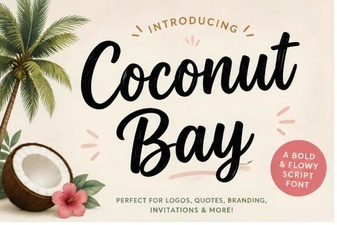 Explore the Coconut Bay Font for Creative Projects
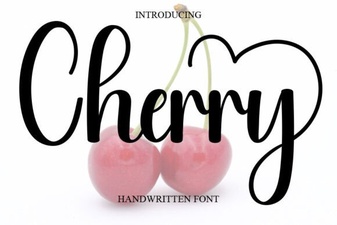 Cherry Font: Design Ideas & Creative Uses
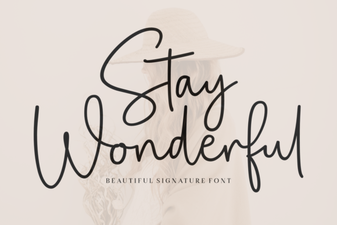 Stay Wonderful Font: Creative Uses & Design Ideas
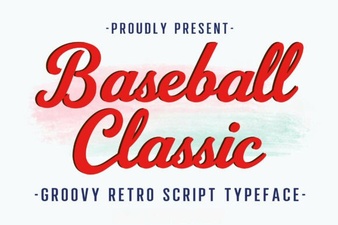 Typography for Baseball Fans: Classic Fonts & Uses
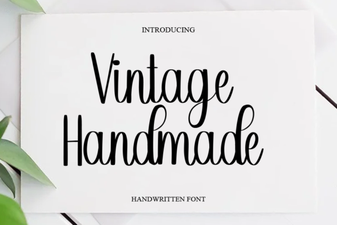 Craft Projects Using Vintage Handmade Fonts
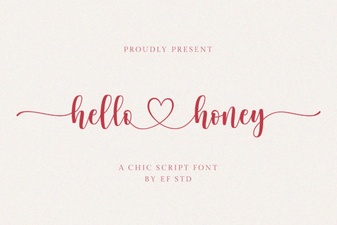 Hello Honey Font: Creative Design Uses & Tips