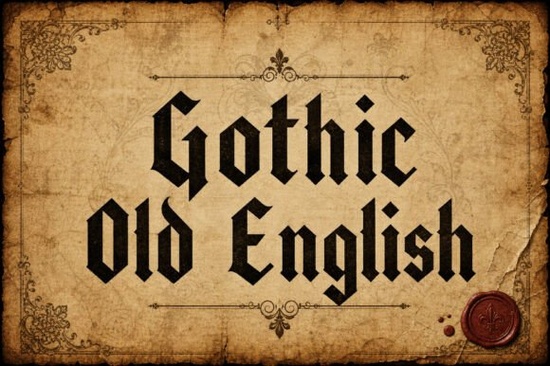
If you need a display typeface that instantly communicates heritage and authority, the Gothic Old English Font delivers exactly that aesthetic. Built on a solid blackletter framework, this design uses sharp serifs and tight letter spacing to recreate the weight of traditional manuscripts. Many crafters and print-on-demand sellers look for this exact style when they want logos, certificates, or apparel graphics to stand out without relying on heavy effects. Because the strokes are clean and highly readable at larger sizes, it works well for digital mockups and physical prints.
Why choose a blackletter typeface for your next project?
Blackletter styles carry a specific visual history. They were used for centuries in European printing, which means they automatically signal tradition and strength. When you apply this style to a modern workflow, you get a built-in focal point without extra decoration. Small business owners often pair it with clean sans serif text to create balanced layouts. Creative hobbyists use it to add historical texture to journal covers and stickers. If you want a versatile display face that bridges classic typography with contemporary layouts, exploring similar blackletter alternatives can help you compare stroke weights before committing.
How does it perform across different mediums?
One of the strongest advantages of a display font with sharp edges is its adaptability. On screens, the bold stems remain legible even when scaled down for thumbnails or banners. In print, the crisp terminals hold up well on heavy cardstock, fabric transfers, and vinyl cuts. Tattoo artists frequently request this visual style because the strong contrast translates cleanly into stencils. Album cover designers also rely on it to set an atmospheric tone for metal, folk, or classical releases.
When working with print-on-demand platforms, always check the preview at actual output size. Some intricate serifs can soften during heat transfer, so a heavier weight often produces the best result. You can also adjust tracking to keep letterforms from overlapping, which matters for cut-files and merchandise tags.
What makes this style work for branding and merch?
Strong visual identity comes from consistency. A traditional blackletter face gives you a clear typographic anchor that pairs easily with minimalist icons and muted color palettes. Here are practical ways to integrate it:
- Use it sparingly for headlines or single-word logos where impact matters most
- Keep body copy in a neutral sans serif to prevent visual fatigue
- Test high-contrast backgrounds to let the sharp terminals pop
- Avoid placing it over busy textures
Many independent makers find that this typeface increases perceived value on artisan products like leather goods and boutique packaging. If you are still exploring options, the full product collection page includes character sets that can speed up your workflow.
How should you format and export your files?
Working with heavy display faces requires technical checks before export. Always install the font on your system rather than relying on web previews, which can alter spacing. In vector software, convert text to outlines only after locking your layout, then review overlapping paths that might cause printing issues. For raster files, export at 300 DPI minimum to preserve edge details.
Understanding traditional calligraphy rules improves how you use modern versions. You can read more about Gothic Old English typography history to see how historical manuscripts handle ligatures and drop caps, which often inspires cleaner layouts.
What steps should you take before launching your design?
Before sending files to print, run through this quick checklist to avoid common production mistakes:
- Verify licensing terms match your commercial or personal use case
- Test the font at 100% scale to check for tight spacing
- Convert headlines to paths and inspect node connections
- Print a proof on your intended material to check clarity
- Pair with a light font for product descriptions
- Document your exact tracking and color values for future reorders
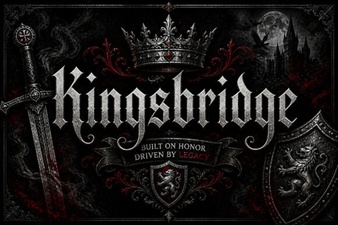 Kingsbridge Font: Design & Creative Applications
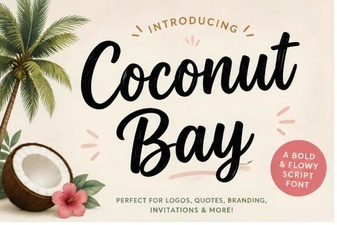 Explore the Coconut Bay Font for Creative Projects
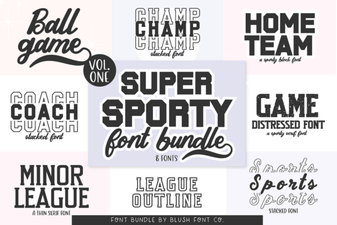 Super Sport Bundle Font: Designs That Move & Inspire
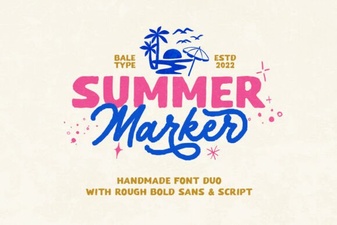 Summer Marker Font for Creative Projects & Designs
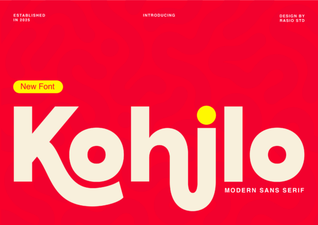 Design with Kohilo Font: a Modern Typography Resource
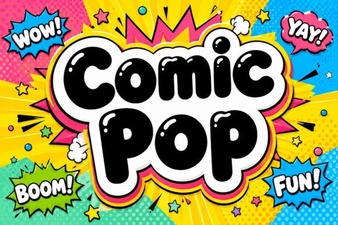 Fun Comic Fonts for Creative Projects